Really? Its still about Software Architecture?

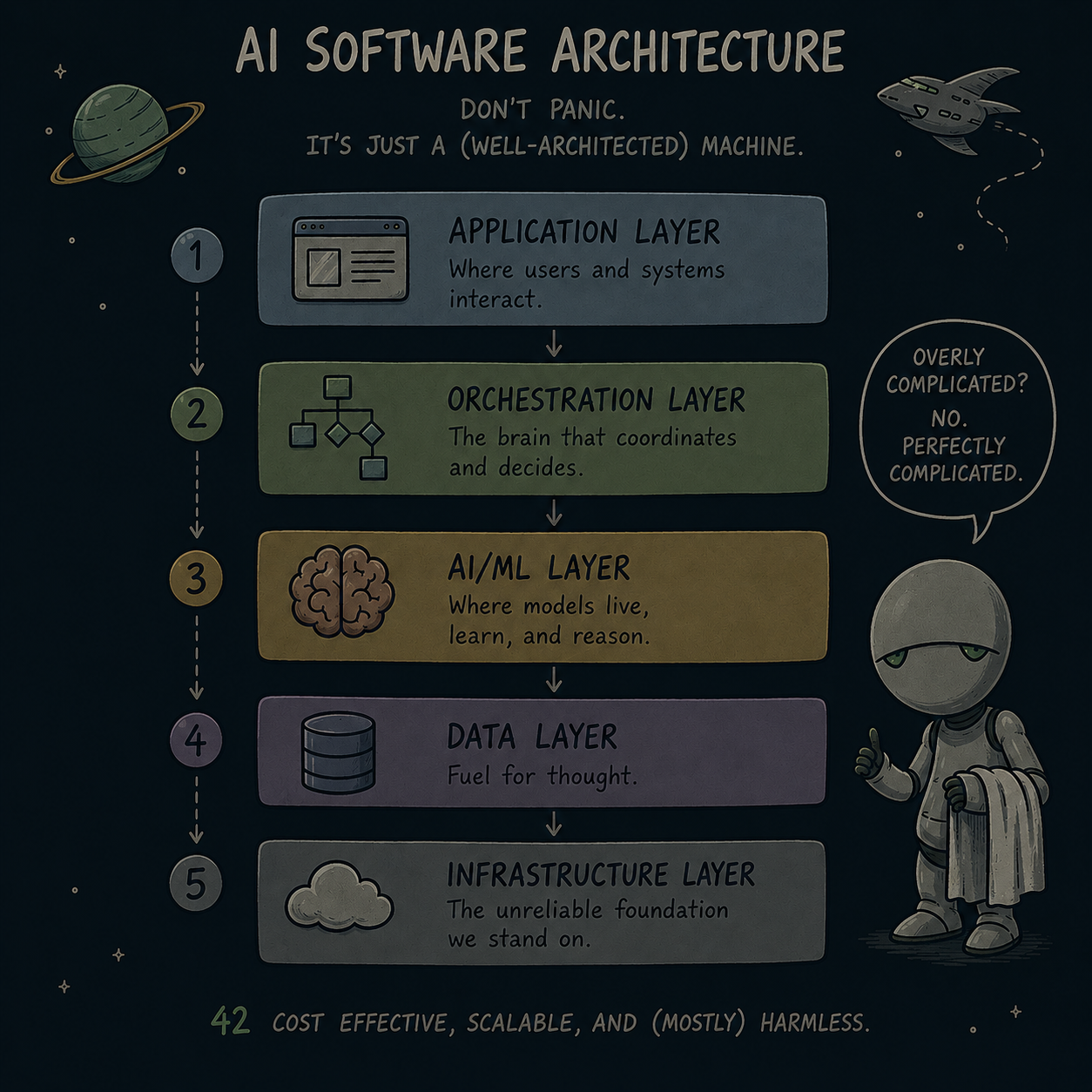
Software architecture is not becoming less important in the age of AI – it is becoming essential. It acts as an orchestrator for AI-generated code and ensures that speed does not come at the expense of quality, security, and sustainability.

  • Without architecture, AI generates code.
  • With architecture, a system emerges.

Learn more

Software Architecture

Software architecture is often used and understood in a misleading way. The most commonly used definition is:

"The fundamental organization of a software system, the relationships among its components and with the environment, as well as the basic guidelines for design and development" (IEEE 1471, RUP).

A more fitting way to put it might be that the architecture of a system is the sum of "the decisions one wishes to have made correctly at the beginning of a project" (Ralph Johnson)

Typical AI Usecases

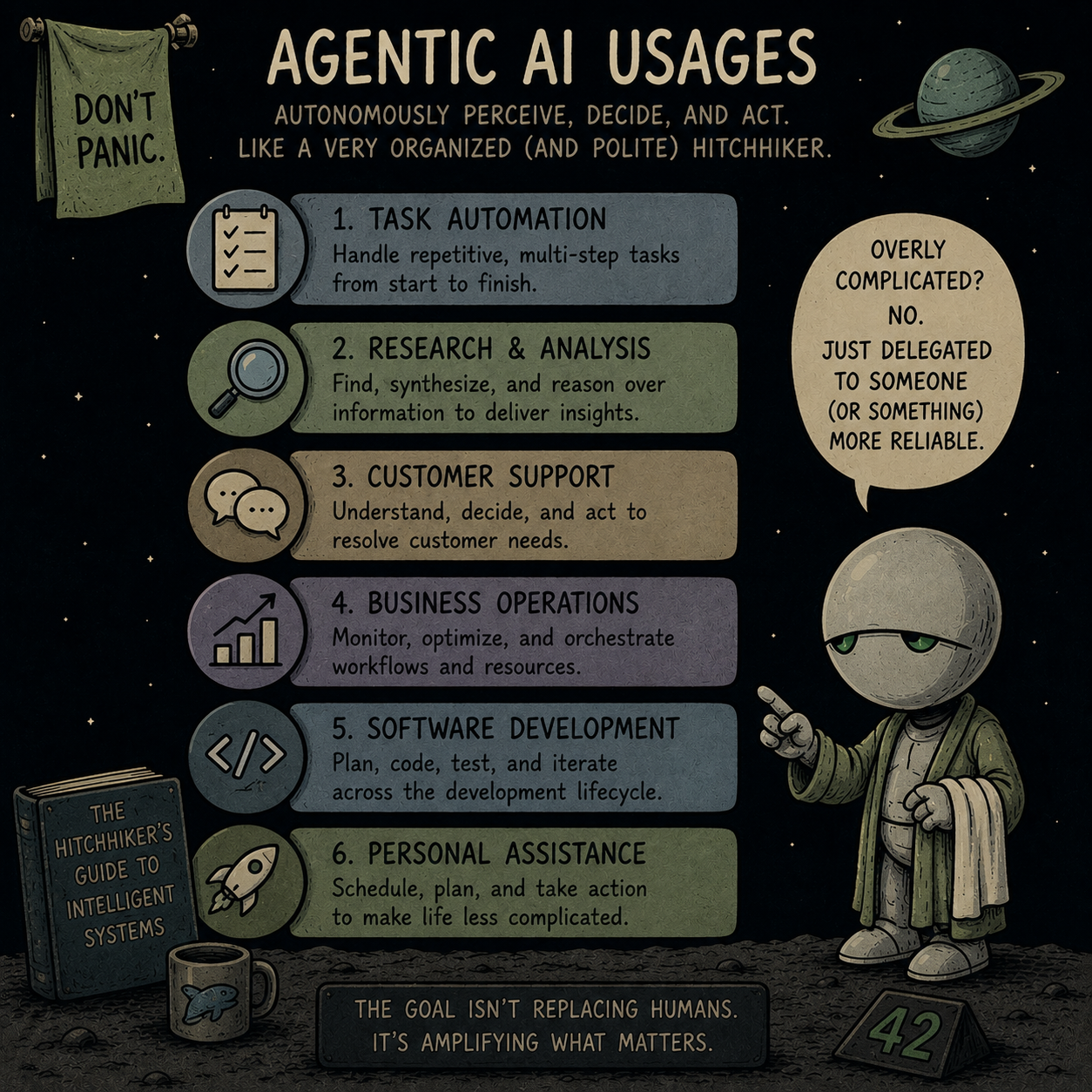
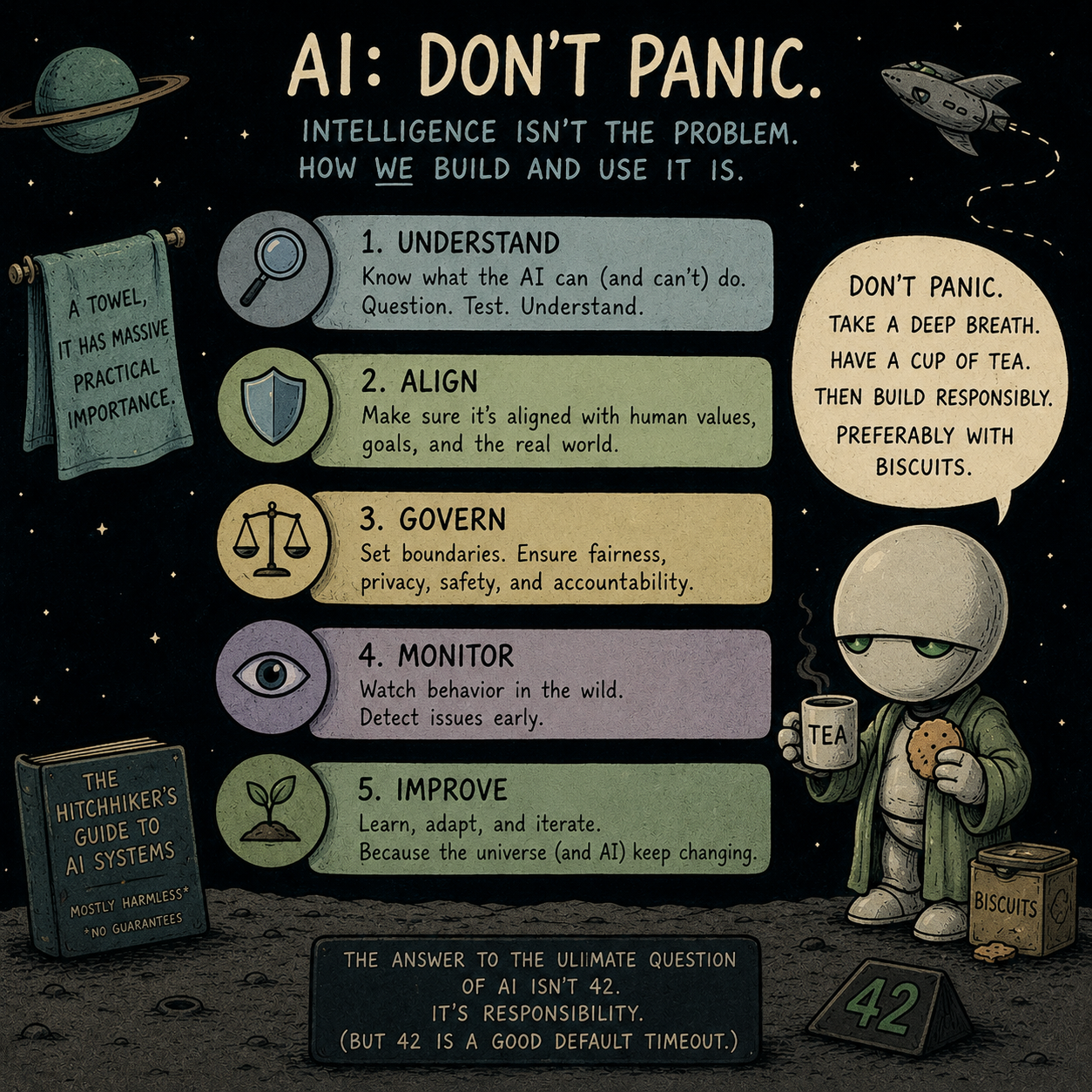
Agentic AI is about to solve a common problem: Divide and Delegation. The goal is to amplify what matters. If you are interested to autonomously perceive, decide, and act like a very organized (and polite) hitchhiker: Let us talk about it:

  • Task automation
  • Research & Analyzing
  • Customer Support
  • Business Operations like content creation and anaylsis
  • Software Development
  • Security & Compliance
  • Personal Assistance

AppSec

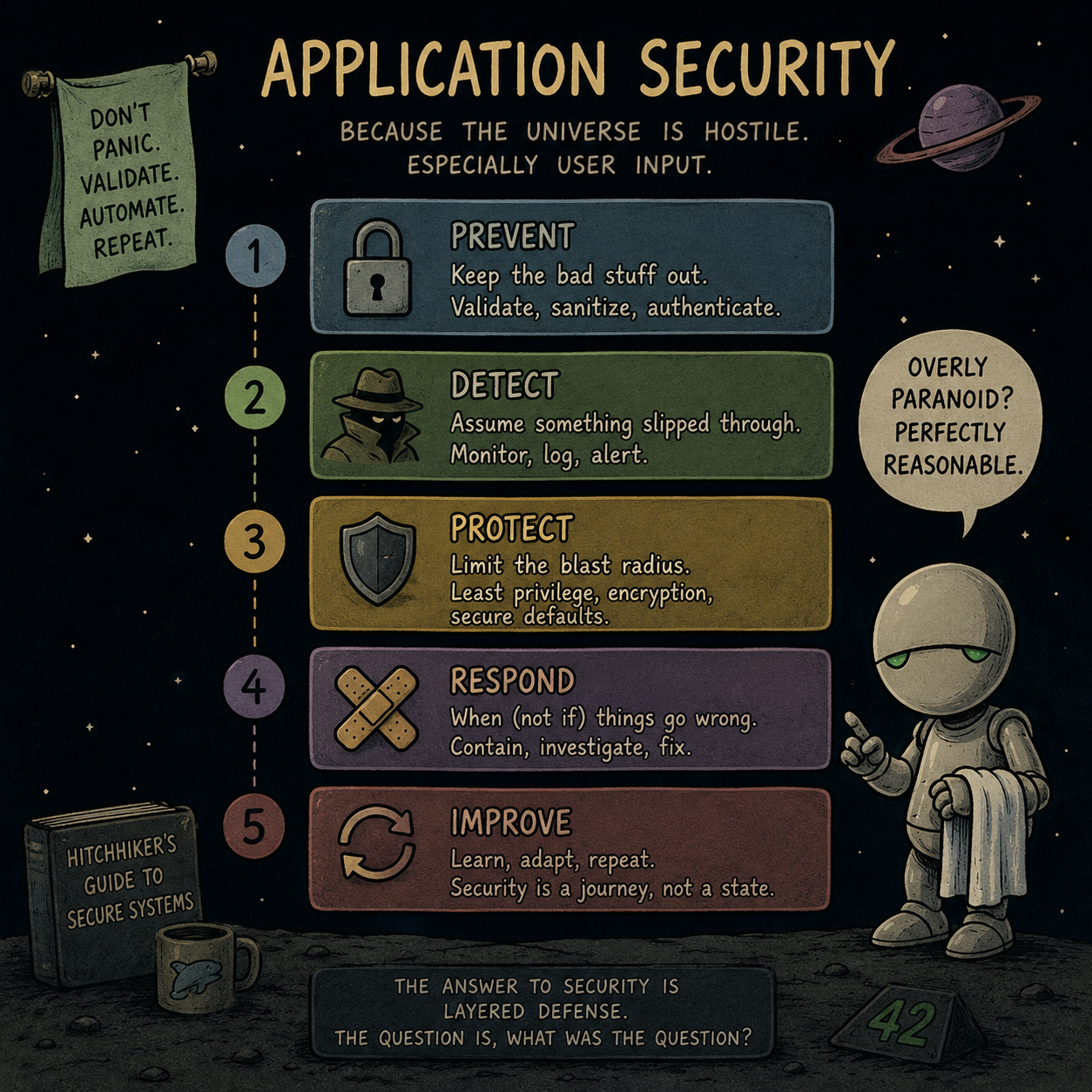
Why this matters? Because the universe is hostile. especially user input. The answer mostly includes a layered defense. The technical parts of that are the more easy ones - the enablement and empowerment of a team is the more challenging topic. A typical secure Software Development Life Cycle (sSDLC) involves embedding security, privacy, and ethical guardrails into every phase of creating, deploying, and maintaining apps and/or services. Let us join forces to

  • Train your teams: Introduce evil user stories, OWASP JuiceShop Workshops & Red/Blue Teaming
  • Empower your teams: Efficiently setup agentic ai usage in the context of AppSec on a day-to-day basis: Identify gaps, Scan and assess known vulnerabilities & Conduct environmental threat identification.

References

AI Prognostics

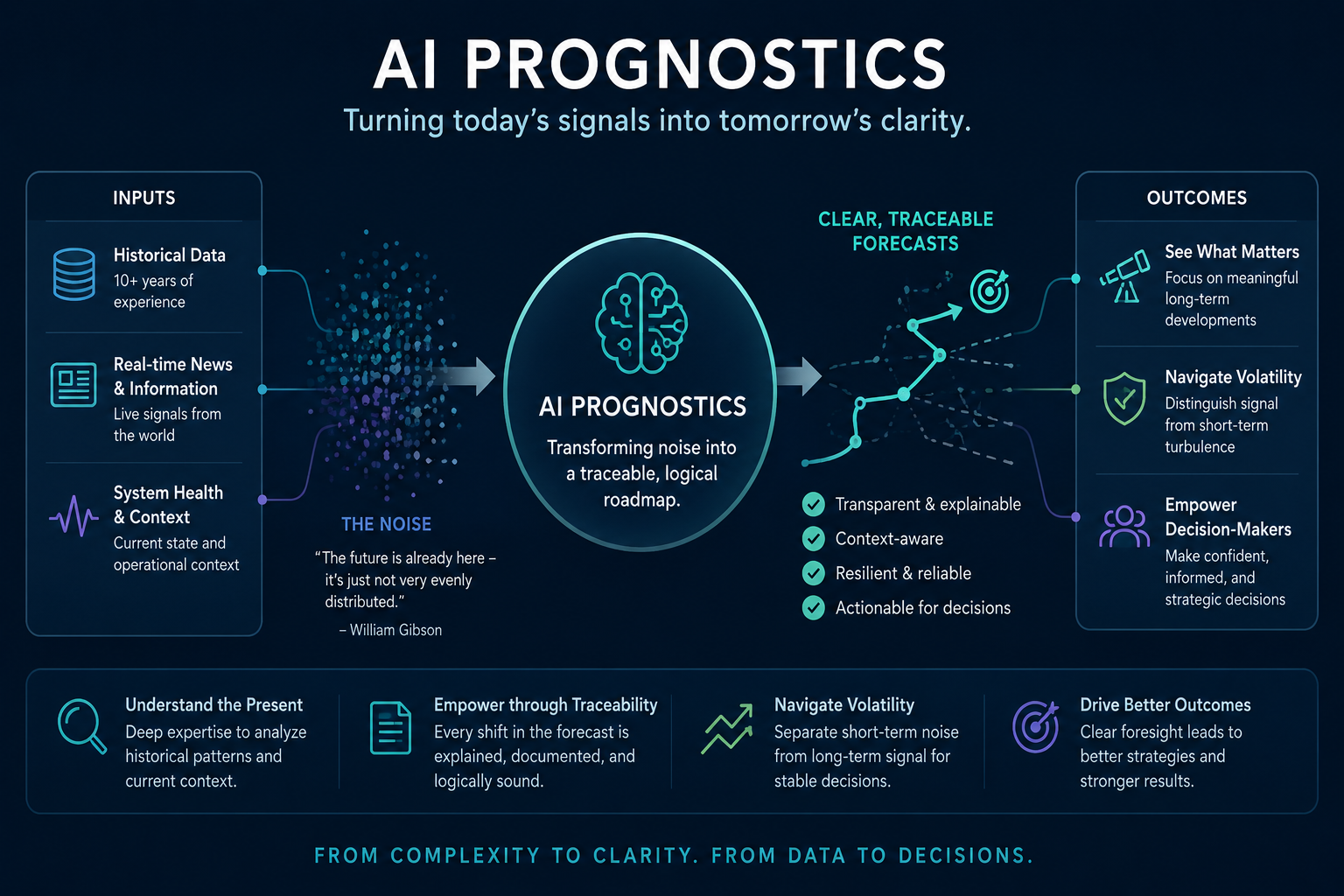
AI Prognostics uses historical data, real-time information, and AI to create transparent and resilient forecasts of future developments. It distinguishes short-term volatility from meaningful long-term trends to support informed strategic decision-making. The goal is to turn complex signals into clear, traceable insights that empower decision-makers.

Early Warning System

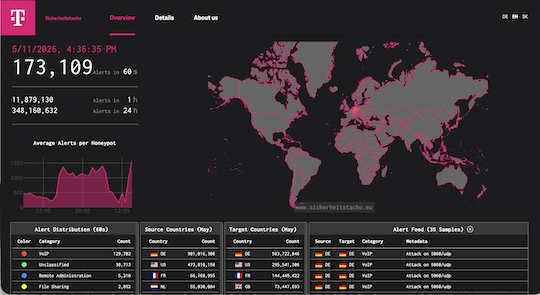
Implementation of a central service managing honeypot services.

Collaboration plattform Cyber Threat Intelligence

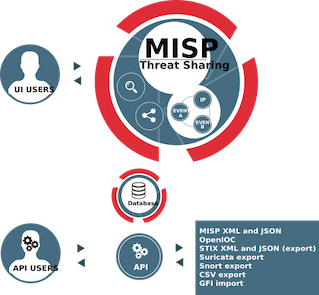
Customizing and enriching the MISP Threat Sharing platform in a collaborative environment.

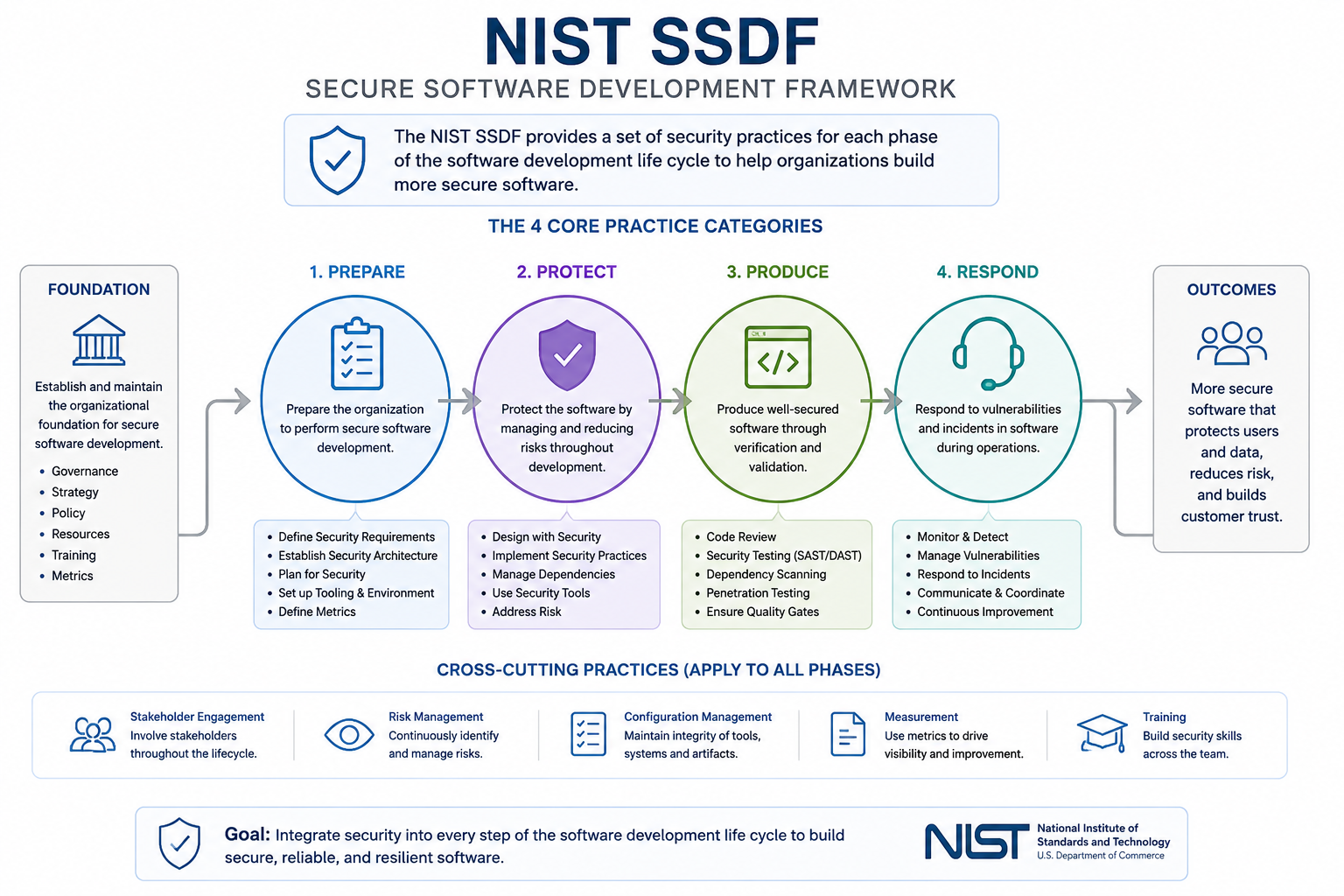
Introduction of sSDLC into an agile way of working

The adaption, adjustment and introduction of a secure Software Development Life Cycle (sSDLC) based on the NIST SSDF helped deliver an e-commerce application that is secure, trustworthy, and reliable for customers. By integrating security measures early in the development process, sensitive customer data, payment information, and user accounts are better protected, strengthening trust in the platform. At the same time, customers benefit from more stable services, reduced risk of disruptions, and an overall safer and more positive user experience.